
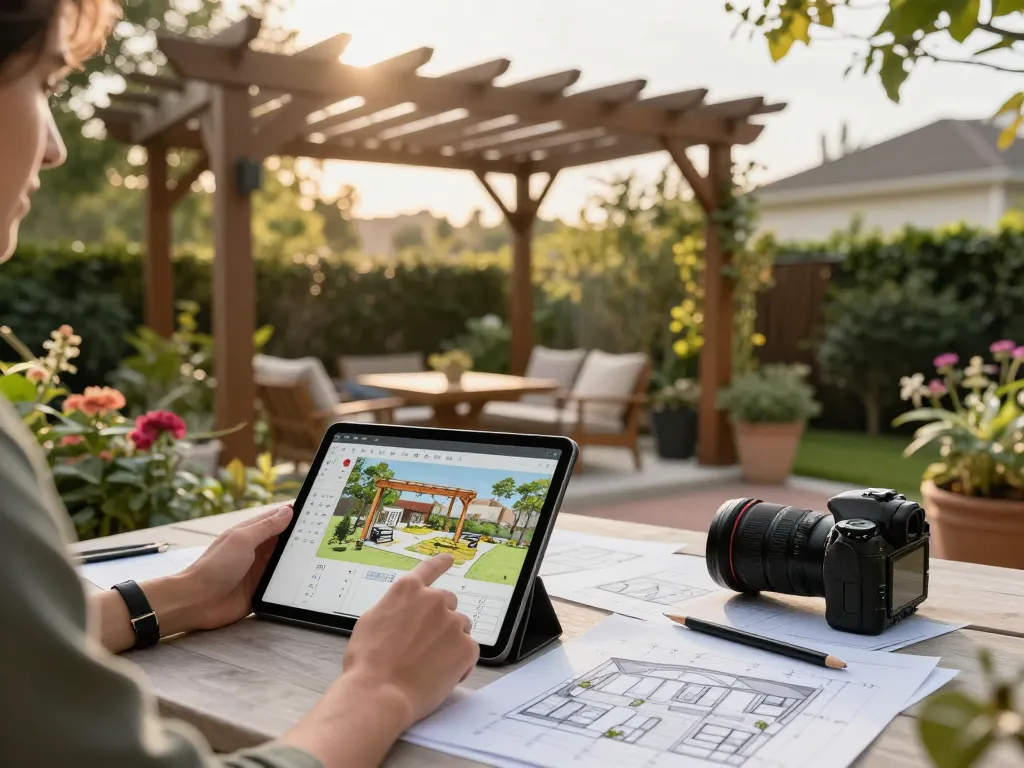
Understanding Pergola Design Fundamentals
Pergolas are not just architectural embellishments; they are essential elements of outdoor living spaces that add both aesthetic appeal and functional value. As homeowners increasingly seek to enhance their outdoor environments, understanding the fundamentals of pergola design becomes crucial. Whether you are considering adding a pergola to your garden, patio, or backyard, knowing the key components and benefits associated with these structures will guide you through the design process. For those seeking a digital solution to visualize their ideas, utilizing a pergola 3d planner can significantly streamline your project.
What is a Pergola and Its Benefits?
A pergola is a structure typically characterized by vertical posts or pillars that support crossbeams and an open lattice roof. Its primary purpose is to provide partial shelter and sun protection while allowing light and air to filter through, creating an inviting space for outdoor activities. The benefits of installing a pergola extend beyond mere aesthetics:
- Enhances Outdoor Spaces: Pergolas serve as focal points in gardens and patios, effectively transforming underutilized areas into stylish outdoor living spaces.
- Increases Property Value: A well-designed pergola can enhance the overall appeal of your property, often leading to increased market value.
- Defines Outdoor Areas: Whether separating dining areas from garden spaces or creating cozy nooks, pergolas aid in defining various sections of your outdoor layout.
- Supports Climbing Plants: With their open structure, pergolas provide an excellent support system for climbing plants and vines, contributing to a vibrant green space.
Key Elements of Pergola Design
When designing a pergola, several key elements must be considered to ensure that the structure aligns with your vision and the environment:
- Size and Proportions: The dimensions of the pergola should complement your existing landscape and architecture. A larger space may require a more expansive structure, while smaller areas benefit from more compact designs.
- Style and Aesthetics: Pergolas come in various styles, from traditional to contemporary. Choosing a style that reflects your personal taste and fits harmoniously with your home is essential.
- Materials: Common materials include wood, vinyl, and metal. Each material has its advantages and drawbacks in terms of durability, maintenance, and cost.
- Roof Design: The type of roof is critical—whether you prefer an open lattice for light or a more solid structure for shade will influence your overall design.
Choosing the Right Materials for Your Pergola
Selecting the right materials for your pergola is vital for both durability and aesthetic appeal. Here’s a closer look at some popular options:
- Wood: A traditional choice that offers warmth and beauty but requires regular maintenance to prevent weathering and decay.
- Vinyl: This low-maintenance alternative mimics the appearance of wood but is resistant to rot and insects, making it a practical option for many homeowners.
- Metal: Aluminum or steel can provide a modern, industrial look; they are durable and require minimal upkeep but can be less versatile in design.
Exploring the Features of a Pergola 3D Planner
As digital tools evolve, 3D planners have emerged as indispensable resources for homeowners and designers alike. A pergola 3D planner allows users to visualize their ideas and make informed decisions about design, layout, and materials.
Interactive Design Capabilities
One of the primary advantages of a pergola 3D planner is its interactive design capabilities. Users can manipulate various aspects of the structure, such as dimensions, colors, and materials, to see how changes affect the overall look and feel of the pergola. This immediate feedback loop facilitates better decision-making and helps manage expectations for the final outcome.
Visualizing Your Ideas in 3D
3D visualization brings your concepts to life, allowing you to experience your design from multiple viewpoints. This feature is particularly beneficial when trying to determine how a pergola will integrate with existing landscaping, home architecture, or shadow patterns throughout the day. Being able to visualize your design in three dimensions eliminates guesswork and contributes to a more satisfying final product.
Software Tools Comparison for 2026
As we look towards 2026, numerous software tools exist that cater to various design needs, each with unique features. Some leading options include:
- Simpson Strong-Tie Pergola Planner: A user-friendly tool that offers detailed design templates, enabling users to create custom pergolas efficiently.
- Backyard Living Co Digital Builder: This online builder allows real-time visualization, ensuring your design meets both your aesthetic and functional requirements.
- Brustor 3D Simulator: Ideal for those looking to explore various models and styles quickly, with instant design capabilities.
Step-by-Step Guide to Using a Pergola 3D Planner
Utilizing a pergola 3D planner can streamline the design process significantly. Here’s a step-by-step guide to get you started:
Setting Up Your Design Space
The first step in using a 3D planner involves setting up your design space. Begin by choosing a software tool that aligns with your needs. Once selected, identify the dimensions of the area where your pergola will be installed, as accurate measurements are essential for effective design.
Incorporating Landscaping and Surroundings
Next, it’s crucial to incorporate the surrounding landscaping into your design. Use the planner to add elements like trees, flowerbeds, or other structures, as this will help you visualize how the pergola harmonizes with its environment. Don’t forget to consider overhead utility lines, trees that may cast shade, or any regulatory restrictions regarding height.
Fine-Tuning Your Design for Functionality
Once the basic structure is in place, fine-tune your design by selecting materials, colors, and finishes that suit your taste and complement your home. Pay close attention to functionality—consider factors such as shade, privacy, and access to your space. Adjusting elements like the pitch of the roof or the spacing between beams can significantly impact usability.
Common Challenges and Solutions in Pergola Design
Despite the benefits, designing a pergola can present several challenges. Below are common issues along with practical solutions.
Addressing Space Constraints
Many homeowners face space constraints when designing a pergola. To overcome this, consider a more vertical design that draws the eye upward, or opt for a smaller footprint that doesn’t overwhelm the surrounding area. Modular designs can also be advantageous, allowing for future expansion if space allows.
Dealing with Climate Considerations
Climate plays a pivotal role in pergola design. In sunny regions, consider adding retractable canopies or shade cloths to provide relief from harsh sunlight. Conversely, if you’re in a wetter climate, ensure your design includes proper drainage solutions to prevent water pooling on the structure.
Maintaining Budget while Creating a Custom Design
Staying on budget can be challenging in custom design projects. Use the 3D planner to explore various material and design options that fit within your financial constraints. Additionally, consider prioritizing essential features over more extravagant ones—this can help keep costs manageable without sacrificing quality.
Future Trends in Pergola Design and Technology
As we move further into 2026, new trends in pergola design are emerging, driven by technological advancements and changes in consumer preferences. Here are some key trends to watch:
Smart Outdoor Living Spaces in 2026
Smart technology is expanding beyond indoor spaces, making its way into outdoor living areas. Automated pergolas with integrated lighting, sound systems, and climate control features are becoming increasingly popular, offering enhanced comfort and convenience.
Sustainable Materials and Practices
With a growing focus on sustainability, many homeowners are opting for eco-friendly materials and construction practices. Recycled and responsibly sourced materials are at the forefront, allowing consumers to create beautiful outdoor spaces that are also kind to the environment.
Emerging Design Styles and Techniques
Design styles are also evolving, with contemporary minimalism and biophilic designs gaining traction. These styles emphasize natural elements, clean lines, and seamless integration with landscapes, creating outdoor spaces that are both functional and harmonious with nature.
How to Enhance Your Pergola with Technology?
Integrating technology into your pergola enhances functionality and increases its versatility. Consider adding LED strip lighting, outdoor speakers, or even heaters to make the space usable in various weather conditions. Motion sensors can also activate lighting automatically when someone enters, adding an element of convenience.
Are Pergola Design Tools Worth it?
Investing in pergola design tools, such as a 3D planner, can significantly enhance your design process. They allow you to visualize intricate details and make informed decisions, ultimately leading to a more satisfying final project. Whether you are an experienced architect or a DIY enthusiast, these tools are becoming indispensable for anyone looking to create the perfect outdoor structure.