
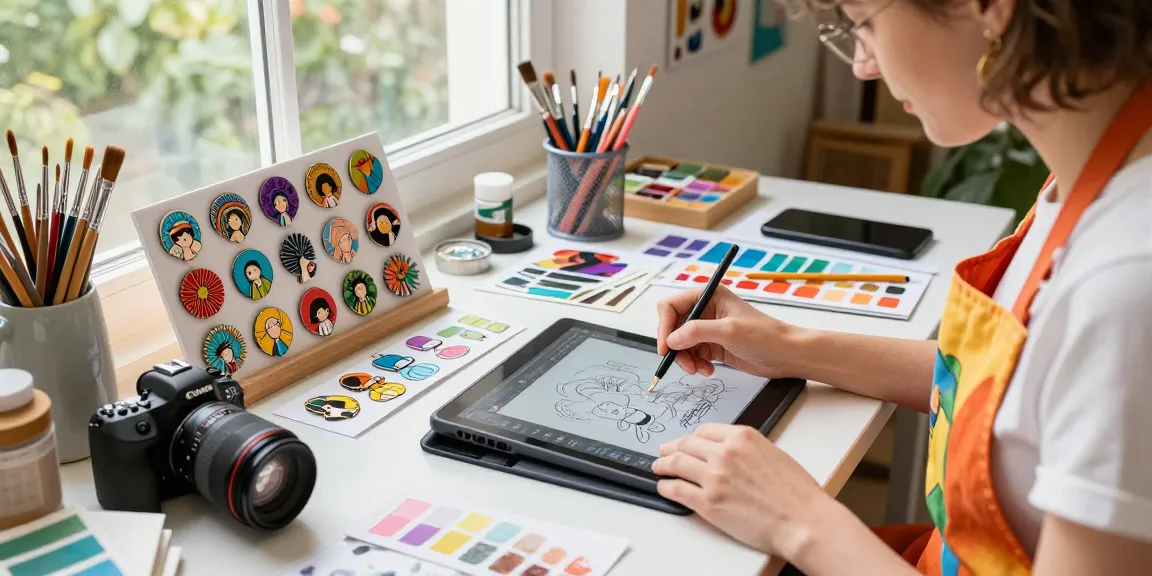
Understanding Custom Pins: What They Are and Their Popular Uses
Custom pins are versatile and creative promotional items that have gained immense popularity across various industries. These small, wearables are not just for decoration; they serve a multitude of purposes, including identification within organizations, as collectibles, and tools for brand marketing. With a growing interest in personalized merchandise, custom pins have become a popular choice for businesses, clubs, and events looking to make a statement.
What Are Custom Pins?
Custom pins are uniquely designed pins made from various materials and can be crafted to incorporate specific logos, designs, or messages. They come in several forms, including enamel pins, button pins, metal pins, and even acrylic options. Their purpose can range from promotional tools and awards to fashion statements and fundraising items.
Common Uses for Custom Pins
- Promotional Merchandise: Companies often use custom pins to promote brand loyalty and recognition among clients and employees.
- Fundraising and Awareness: Nonprofits and charities leverage custom pins to raise awareness and funds for their causes.
- Collectibles: Enthusiasts collect custom pins to celebrate hobbies, fandoms, or social movements.
- Event Souvenirs: Conferences and events often distribute custom pins as mementos for attendees.
- Uniform Identification: Many organizations use custom pins as part of their uniforms for staff identification.
The Art of Designing Custom Pins
Designing custom pins is both an art and a science. To create a successful design, one must consider the message, audience, and aesthetic appeal. Working with a designer or using design tools can help in achieving the perfect balance of creativity and brand representation.
Choosing the Right Type of Custom Pins for Your Needs
Diverse Styles of Custom Pins
When selecting a pin style, it’s essential to consider the intended purpose. Options range from hard enamel pins, known for their durability and vibrant colors, to soft enamel pins that offer a textural difference. Button pins, often chosen for casual events, and acrylic pins, with their unique shapes and translucency, also provide excellent alternatives depending on your audience and purpose.
Comparing Materials: Acrylic vs. Metal vs. Enamel
Each material offers distinct advantages. Metal pins exude professionalism and longevity, perfect for corporate settings. Acrylic pins are lightweight and can be produced in diverse shapes and colors, making them ideal for artistic expressions. Enamel pins provide a classic look and vibrant designs but may come at a higher production cost.
Identifying Your Target Audience for Custom Pins
Understanding who your audience is can dramatically influence the design and style of your custom pins. Targeting specific demographics, such as millennials or Gen Z, may require a trendy aesthetic, while pins for a corporate setting should reflect a more professional appeal.
Best Practices for Designing Eye-Catching Custom Pins
Design Principles for Effective Custom Pins
Effective custom pin designs utilize principles like simplicity, contrast, and alignment. A clean, simple design often resonates more than a cluttered one. Additionally, ensuring that elements are well-aligned and using contrasting colors can enhance visibility and appeal.
Incorporating Brand Elements into Custom Pin Designs
To reinforce brand identity, include logos, colors, or taglines within your custom pin design. This ensures that the pin not only serves its purpose but also communicates your brand message effectively.
Color Psychology in Custom Pin Creation
Colors play a crucial role in design, as they evoke emotions and perceptions. For instance, blue is often associated with trust, while red can invoke excitement. Understanding color psychology can significantly impact the design and reception of custom pins among your audience.
Manufacturing Processes for Custom Pins: What to Expect
Understanding the Production Workflow
The production of custom pins typically begins with design approval followed by material selection. Depending on the complexity and quantity, the production process may vary, involving methods like die-cutting for distinct shapes or plating for finishing touches.
Quality Control in Custom Pin Manufacturing
Ensuring quality is a paramount concern during manufacturing. Implementing strict quality control measures helps in identifying defects or inconsistencies, ensuring that the final product meets both your expectations and those of your audience.
Choosing a Reliable Manufacturer for Your Custom Pins
Selecting a reputable manufacturer can make all the difference. Look for companies that offer clear communication, transparent processes, and positive customer reviews. Additionally, factors like production time, minimum order quantities, and warranty options should also be considered.
Future Trends in Custom Pins: What to Look Out for in 2026
Emerging Designs and Styles for Custom Pins
As the demand for customization grows, new design trends are emerging. Expect to see more interactive elements, such as pins with movable parts or glow-in-the-dark features, capturing the interest of younger audiences. Eco-friendly materials also gain traction, as sustainability becomes a higher priority for consumers.
Technological Innovations in Custom Pin Production
Advancements in technology are revolutionizing custom pin manufacturing. Innovations in printing techniques, such as 3D printing, allow for rapid prototyping and more intricate designs. These technologies enhance creativity and reduce lead times in production.
Growing Markets and Opportunities for Custom Pins
The market for custom pins is continually expanding. Opportunities lie in niche markets, including fan merchandise for movies and shows, memorial pins for specific events, and unique corporate gifts as companies seek to stand out. Embracing these opportunities can provide businesses with a competitive edge.
What materials are best for custom pins?
Choosing the right material often depends on the pin’s intended use. Metal pins are ideal for long-lasting durability, while acrylic pins offer creative versatility. Enamel pins strike a balance between quality and aesthetic appeal.
How can I design unique custom pins?
To design unique custom pins, consider utilizing unique shapes, color combinations, and engaging themes. Collaborating with designers can also help create distinctive designs that resonate with your target audience.
What are the common uses for custom pins?
Custom pins are widely used for marketing, fundraising, acknowledgment, and as memorabilia. They serve to promote brands, raise awareness for causes, recognize achievements, and celebrate events.
Can custom pins be eco-friendly?
Yes, there are eco-friendly options available, including pins made from recycled materials or using sustainable manufacturing practices. As consumers increasingly value sustainability, these options can be advantageous for brands looking to decrease their environmental footprint.
What are the costs associated with creating custom pins?
Costs vary based on materials, complexity of design, and quantity ordered. Bulk orders often reduce per-unit pricing, while unique designs may incur additional setup fees. Understanding these factors is crucial for budgeting effectively.